The manufacturing process of TMT rebar is the core of its high performance. TMT stands for Thermo-Mechanical Treatment, commonly referred to in Chinese as "deformation heat treatment" or "residual heat treatment."
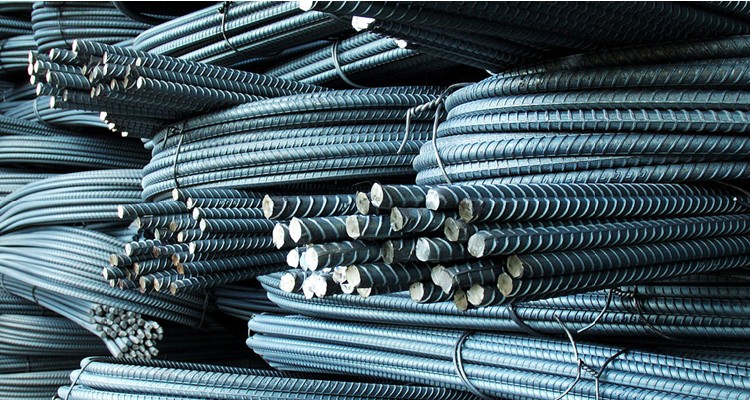
The manufacturing process of TMT rebar is the core of its high performance. TMT stands for Thermo-Mechanical Treatment, commonly referred to in Chinese as "deformation heat treatment" or "residual heat treatment."
Billet HeatingSteel billets, at room temperature of approximately 20-30°C, are fed into a heating furnace and heated to 1050-1150°C. This comprehensive heating softens the billet, allowing it to be processed into the desired length and thickness.
Hot RollingThe heated billet enters the rolling mill for hot rolling. Through a series of rolling steps, the cross-sectional area of the billet is gradually reduced, allowing it to be processed into bars of varying diameters to meet customer needs.
QuenchingAfter hot rolling, the rebar enters the quenching unit immediately, where it is rapidly cooled by a special water spray system. During this process, the surface of the rebar rapidly cools and hardens, while the interior remains hot and ductile. For example, the surface temperature can quickly drop from 900°C to around 280°C, while the interior remains essentially at 900°C.
AutotemperingAfter quenching, the rebar, still holding high internal heat, gradually dissipates this heat, tempering the hardened surface areas and forming a tempered martensite structure. This process improves the strength and toughness of the rebar, resulting in a combination of high strength and good ductility.
Air coolingAfter auto-tempering, the steel bars are placed on a cooling bed and cooled by natural air to further reduce their temperature to room temperature, ultimately forming TMT steel bars with a stable organizational structure and good performance.
The TMT process is a highly efficient technology that cleverly utilizes the steel's own heat for "self-heat treatment." By controlling the cooling rate, it creates an ideal property gradient across the steel cross-section, making it an ideal material for modern reinforced concrete buildings, particularly those in areas prone to high seismic intensity.


